
SBR 77: The Smart Arse Instinct
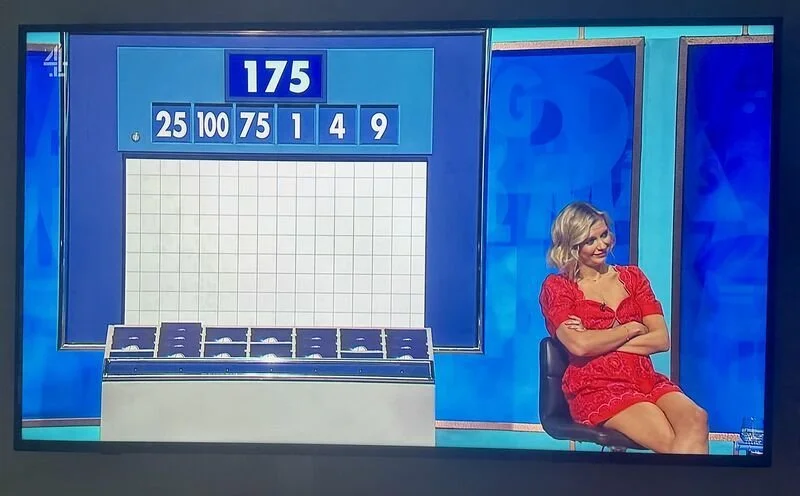
A former colleague, Chris Needle, flagged a recent Countdown numbers round so simple you could crack it within your first sip of tea.
But in my experience, there's always someone who won't leave a simple answer alone. I posted about it on LinkedIn and the comments proved the point better than the post did.
Some people felt that Countdown should give bonus points for using every number, "just to add interest to the easier ones” or claimed to have found the complicated solution first - posting their workings: full equations, brackets and all, for a puzzle that didn't need them.
Nobody was wrong. But it was interesting that nobody could resist.
Marketing has the same instinct. The simplest route to the right answer is almost always the best one. Yet there's a whole industry built on selling you an over-complicated model and a bloated solution to a problem that doesn't need either.
That's not cleverness. It's peacocking. The complexity isn't there to help you decide, it's there to look impressive, justify the fee, and make the thinking hard to argue with.
Peacocking serves the person presenting, not the person receiving it. The job of communication is to make the message understood. That's the whole job. A simple solution isn't a shortcut or a lesser piece of thinking, it's the more disciplined route to being understood, putting the recipient’s needs first.
The unnecessary marketing complexity is peacocking, an attempt to make people believe an old problem needs new, complicated thinking. The overcomplicated marketing thinking isn't there to serve the client. It's there because the person presenting it doesn't trust that the simple answer will look like enough to justify their presence (or fee) in the room.
What to do with this, practically:
Next time a plan, a deck or a pitch feels more complicated than the problem, ask the person presenting it one question: what would the simple version of this look like, and why isn't that the recommendation? If they can answer that in a sentence, you've probably got the right thinking, dressed up. If they can't, you've found the peacocking.
Most marketing problems are simpler than the people selling you the solutions would like you to believe. The skill isn't finding the clever route. It's having the nerve to hand over the simple one.
Send this to whoever's about to sign off on a marketing plan that feels more complicated than the problem.