
SBR 69: Category Entry Points: A Growth Lesson from Marie Curie
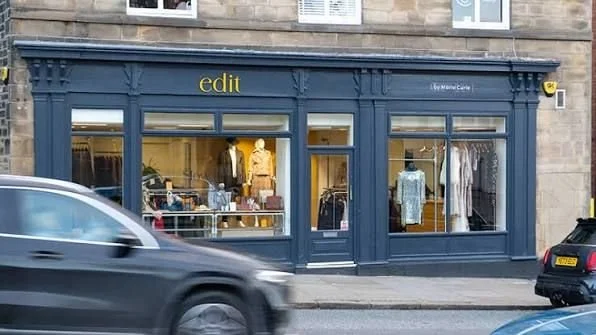
Marie Curie’s fashion-led shop, Edit, is a sharp piece of category thinking disguised as retail. I happened to pass it a couple of weeks ago. If you don’t know what you’re looking at, you could mistake it for a small, well-curated independent fashion boutique rather than the charity shop it is. Which is exactly the point.
This isn’t just about better rails, nicer lighting, or improved merchandising standards. Those are table stakes. What Edit really changes is the reason someone gives themselves to step inside.
Traditional charity shops operate within a very narrow set of category entry points. You go in to donate. You go in to bargain hunt. You go in to support a cause. All perfectly valid, but somewhat limiting. They cap frequency, constrain audience, and anchor value perception firmly at the low end.
Marie Curie has chosen to pose a different question.
Instead of asking, “How do we make charity retail more appealing?”, Edit asks, “What new shopping occasions can we legitimately enter?”
Edit gives people permission to shop for style first and charity second. It reframes the experience from sacrifice to choice. From goodwill to taste. From rummaging to discovery. That’s a structural change.
By leading with fashion, the store widens potential customers to those who are prepared to spend a little more. It attracts people who may never have described themselves as charity shop customers. It increases the likelihood of repeat visits. And it reduces reliance on constant discount cues to drive footfall.
I’ll guess that the commercial effects follow. More visits. A different mix of customers. Better margins per item. Less dependence on generosity alone.
This is where a lot of brands, not just charities, get themselves tied in knots. They obsess over improving what they already do, rather than questioning the occasions they’re competing for. They polish the offer, refine the messaging, tweak the execution, all while staying locked inside the same narrow frame of demand.
Marie Curie didn’t do that here. They didn’t try to make “charity shopping” feel cooler. They addressed a different shopper need that just happens to benefit a charity. For Marie Curie, the upside isn’t just brand halo or design credibility. It’s the potential to raise more money without asking for more generosity. That’s a healthier, more resilient model. One built on perceived value rather than emotional obligation.
Edit doesn’t ask people to be kinder. It helps people shop for great clothes. And just happens to make more money for the charity too.
That’s good marketing. And it’s a useful reminder that growth often comes not from saying the same thing better, but from giving people a new reason to care in the first place.